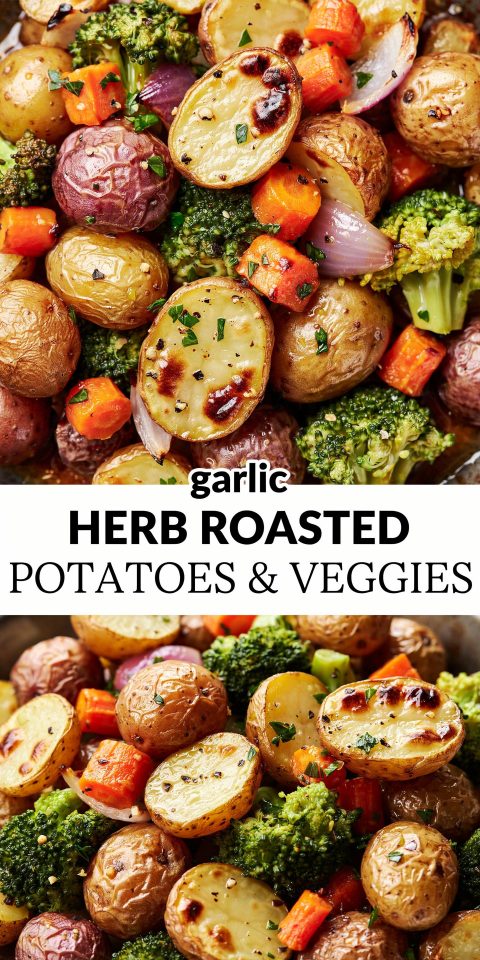
Let me be honest: I have burned more pans of roasted vegetables than I care to admit. My early attempts at making one pan garlic herb roasted potatoes and veggies looked like a science experiment gone wrong. Soggy potatoes, burnt garlic, unevenly cooked broccoli. It was a mess. But after years of trial and error, I finally cracked the code. This recipe is my go to for busy weeknights when I want something healthy, hands off, and genuinely delicious. No more crying over charred carrots. Let me show you the most common mistakes people make and how to avoid every single one.
Why your one pan garlic herb roasted potatoes turn out soggy instead of crispy
You follow the recipe to the letter, but the potatoes emerge from the oven looking pale and sad. I have been there. The culprit is almost always moisture. Baby potatoes hold a surprising amount of water, and if you do not dry them properly, they steam rather than roast.
Here is the fix: after washing your baby potatoes, let them sit on a clean kitchen towel for at least ten minutes. Pat them dry with paper towels before cutting. Then, once you slice them in half or quarters, spread them on a baking sheet and let them air dry for five more minutes while you preheat the oven. This extra step changes everything. The dry surface allows the olive oil and seasonings to stick, and the heat can crisp the exterior instead of fighting trapped moisture.
Another sneaky cause of sogginess is overcrowding the pan. If your potatoes are stacked on top of each other, they steam. Give them space. Use a large rimmed baking sheet and arrange everything in a single layer. If your pan is too small, use two pans instead. Trust me, the ten minutes of extra cleanup is worth it for crispy edges.
The biggest mistake when roasting vegetables with potatoes: wrong timing
Potatoes and broccoli do not cook at the same speed. I learned this the hard way. I used to toss everything together at once, and the result was always disappointing. The broccoli turned to mush or the potatoes stayed undercooked. The solution is simple: stagger your additions.
Start by roasting the potatoes alone for about fifteen minutes before adding the other veggies. This gives them a head start. Then add your carrots, bell peppers, zucchini, or whatever you have on hand. If you are using tender vegetables like cherry tomatoes or asparagus, add them even later, maybe five minutes before the end. This way everything finishes at the same moment. No more mushy vegetables next to half raw potatoes.
A good rule of thumb for a one pan dish is to cut denser vegetables like potatoes into smaller pieces, around one inch. Softer vegetables like bell peppers can be cut larger. This helps them cook at a similar rate, but the staggered method is still your best insurance.
Garlic burns easily: how to keep it sweet and fragrant in your roasted veggies
Burnt garlic is one of the most bitter flavors in cooking. I cannot count how many times I have ruined a perfectly good sheet pan by adding minced garlic at the beginning. It goes from aromatic to acrid in under three minutes. The key is to treat garlic like a finishing ingredient when roasting.
Instead of tossing minced garlic with the potatoes and oil at the start, try this: crush a few whole garlic cloves and toss them with your potatoes. Whole cloves roast slowly and become sweet and soft. Then, during the last five minutes of cooking, sprinkle finely minced or grated garlic over the vegetables and stir gently. The residual heat cooks the garlic just enough to release its fragrance without burning. Alternatively, you can use garlic powder on the potatoes at the start and add fresh minced garlic only at the end. Both methods work beautifully.
For the garlic herb coating itself, make a paste with olive oil, minced garlic (if using fresh), and your chosen herbs. Coat the potatoes first, then add the other veggies later with a separate drizzle of plain oil. This keeps the garlic from sitting on the pan directly and burning.
Herbs matter: common mistakes with fresh versus dried herbs for one pan dishes
I used to think dried herbs were always inferior. Then I learned they have their place. Fresh herbs are delicate. If you add them at the very beginning of roasting, they often turn into crispy, flavorless flakes. Dried herbs, on the other hand, can handle high heat and actually become more fragrant.
My strategy: use dried rosemary, thyme, and oregano on the potatoes from the start. These woody herbs hold up to roasting and infuse the oil beautifully. Save fresh parsley, basil, or dill for the very end. Once the pan comes out of the oven, sprinkle the fresh herbs over the top. They will wilt slightly but stay bright and flavorful. This gives you a double layer of herb goodness, the deep roasted kind and the fresh punchy kind.
A common mistake is not crushing dried herbs before using them. Rub them between your palms to release their essential oils. It takes two seconds and makes a noticeable difference. And always taste your herbs. Old dried herbs lose potency, so if your jar has been sitting in the pantry for two years, toss it and buy fresh.
How to avoid uneven cooking and burnt edges when using one baking sheet
Hot spots in your oven are real. I used to wonder why the left side of my pan came out perfect while the right side was charred. Then I learned a simple trick: rotate your pan halfway through cooking. Set a timer for twelve minutes, rotate the sheet 180 degrees, and also swap it from the top rack to the bottom rack if your oven runs unevenly.
Another mistake is using a dark colored baking sheet. Dark metal absorbs more heat and can cause the bottoms of your potatoes to burn before the tops are golden. Stick with light colored, heavy duty aluminum or steel pans. If you only have dark pans, reduce your oven temperature by 25 degrees and keep an eye on the browning.
Do not use parchment paper for crispy potatoes. Parchment can trap steam and prevent the underside from crisping. Instead, grease the pan directly with a thin layer of oil or use a silicone baking mat. The direct contact with hot metal gives you that deep caramelization that makes roasted veggies irresistible.
Oil and seasoning distribution: the simple secret to perfectly coated roasted potatoes and veggies
You have probably experienced this: one potato is salty, the next is bland. The reason is uneven distribution of oil and seasonings. Drizzling oil over the top of your vegetables and then tossing them in the pan is not enough. You need to coat everything thoroughly before it hits the sheet.
Use a large mixing bowl. Combine your halved baby potatoes, your chopped veggies (except the late additions), olive oil, minced garlic or whole cloves, dried herbs, salt, and pepper. Then use your hands to toss and massage everything. Yes, get your hands in there. This ensures every piece is coated. The oil helps the seasoning stick, and the salt draws out a tiny bit of moisture which then concentrates flavor. Let the mixture sit for five minutes if you have time. This is called a quick marinade.
For the best flavor, do not skimp on salt. Use kosher salt, not table salt, and season generously. Potatoes need a decent amount of salt to taste alive. If you are watching sodium, try adding a pinch of smoked paprika or a squeeze of lemon juice at the end to boost flavor without extra salt.
Making this one pan dish part of your meal prep routine (without it getting mushy)
Meal prep with roasted vegetables can be tricky. They often turn soggy after a day in the fridge. But with a few tweaks, you can make this ahead without sacrificing texture. The key is to slightly undercook the vegetables if you plan to reheat them. Take them out of the oven when they are just golden but still a little firm. They will continue cooking from residual heat, and when you reheat them later, they will finish perfectly.
Store your leftover roasted potatoes and veggies in an airtight container, but do not stack them too deep. Spread them out to cool before covering, or condensation will create steam and ruin the crispiness. When reheating, never use the microwave. Instead, spread them on a baking sheet and pop them in a 400°F oven for five to seven minutes. They will crisp right back up. You can also reheat them in a dry skillet over medium heat.
This recipe is also fantastic for batch cooking. Roast a double batch on Sunday, then use the leftovers in grain bowls, wrap them in tortillas with beans, or toss them into a frittata. They keep well for up to four days in the fridge. But honestly, they rarely last that long in my house.
My go to recipe formula for one pan garlic herb roasted potatoes and veggies
I do not follow a strict recipe anymore. I use a formula that never fails. Here is what I do:
- Base: 1.5 pounds baby potatoes, halved or quartered
- Vegetables: 2 cups of chopped vegetables (carrots, bell peppers, red onion, zucchini, broccoli, cauliflower, or green beans)
- Oil: 3 tablespoons extra virgin olive oil
- Herbs (for roasting): 1 teaspoon dried rosemary, 1 teaspoon dried thyme, 1 teaspoon garlic powder, salt and pepper
- Herbs (for finishing): 2 tablespoons fresh parsley or basil, chopped, plus 2 minced garlic cloves if using
Preheat your oven to 425°F. Toss the potatoes with oil, dried herbs, garlic powder, salt, and pepper. Spread them on a greased baking sheet in a single layer. Roast for 15 minutes. Meanwhile, toss your vegetables in a bit more oil and salt. After 15 minutes, add the vegetables to the pan, stir everything together, and roast for another 15 to 20 minutes. In the last 5 minutes, add the minced garlic and fresh herbs. Stir once and finish roasting. Serve hot, with a squeeze of lemon if you like brightness.
This formula adapts to whatever you have in the fridge. No more searching for a specific recipe. Just remember the staggered timing and the garlic trick.
Serving ideas: what to pair with your roasted potatoes and veggies for a complete weeknight dinner
This side dish is versatile. I often serve it with simple grilled chicken breast seasoned with salt, pepper, and a little paprika. The smokiness of the chicken matches the roasted vegetables beautifully. Fish works great too. Try it with lemon herb salmon or seared cod. The citrus cuts through the richness of the olive oil.
For a vegetarian meal, add a can of chickpeas to the pan during the last fifteen minutes of roasting. They get crispy and nutty. Or crumble some feta cheese over the finished dish. That salty, creamy bite against the roasted potatoes is perfection. You can also serve it alongside a simple green salad with a tangy vinaigrette. The contrast in textures makes the meal feel complete without much effort.
This dish also reheats well for lunch the next day, as I mentioned. I often double the batch and use the leftovers to stuff into pita bread with hummus and pickled onions. It is a quick, satisfying meal that costs almost nothing to throw together.
I hope these tips save you from the same soggy, burnt disasters I went through. The one pan garlic herb roasted potatoes and veggies recipe finally clicked for me when I started paying attention to moisture, timing, and temperature. It is now my default side dish for busy weeknights, and I bet it will become yours too. Give it a try and see how simple changes can make a huge difference. If you have your own trick for perfect roasted vegetables, I would love to hear about it. Save this recipe for your next effortless dinner idea, and happy roasting.
#garlicherbroastedpotatoes #roastedveggies #onesidedish #healthysidedish #easymealprep
Leave a Comment