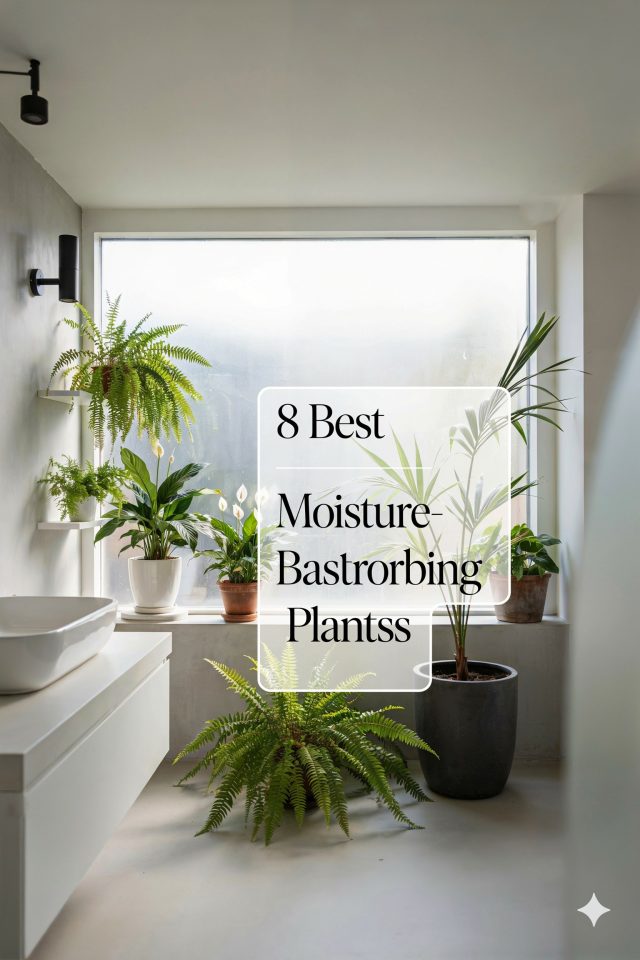
Why Your Small Half Bathroom Needs Humidity Loving Houseplants
You know that feeling when you step out of a hot shower and the mirror is completely fogged, or when the tiny half bath near the guest room always feels a little damp and stuffy. That trapped moisture doesn’t just feel uncomfortable. Over time it can lead to musty smells, peeling paint, or even mold spots on the ceiling. The good news is you don’t need a fancy dehumidifier or a renovation to fix it. MoistureAbsorbingPlants are a natural, budget friendly solution that pulls extra water vapor out of the air through their leaves. They turn a problem area into a living, breathing decor piece.
Half bathrooms are small, often windowless, and they get warm and humid every time someone uses the sink or the toilet. That makes them perfect for humidity loving plants. These plants evolved in tropical forests and understory environments where the air is thick with moisture. So instead of wilting in your bathroom, they’ll actually grow faster than they would in a dry living room. And because most of them tolerate low light, you don’t need a giant window to keep them happy.
In this guide I’ll walk you through exactly which plants to buy, how to care for them in a small space, and how to style them so your half bathroom looks put together without spending a ton. No fluff, just practical steps you can use today.
The Top 5 Low Light Houseplants That Naturally Remove Moisture
You don’t need a greenhouse full of rare specimens. These five plants are widely available, affordable, and proven to thrive in the low light and high humidity of a half bath. Each one has a slightly different look, so you can mix and match textures.
- Peace Lily (Spathiphyllum) – This classic houseplant is a moisture magnet. Its broad leaves transpire a lot of water, which helps lower ambient humidity. It also blooms white flowers even in low light.
- Boston Fern (Nephrolepis exaltata) – Fronds of this fern are dense and feathery, giving them lots of surface area to absorb moisture. It’s one of the best natural humidifiers in reverse, meaning it pulls water from the air.
- Snake Plant (Sansevieria trifasciata) – Often called mother in law’s tongue, this upright plant is nearly indestructible. It stores water in its leaves and releases it slowly, but in a humid bathroom it also helps regulate dampness through its CAM photosynthesis process.
- Spider Plant (Chlorophytum comosum) – Those little baby spiderettes are a sign the plant is happy. Spider plants are great at absorbing moisture and they also filter out common indoor pollutants like formaldehyde.
- Pothos (Epipremnum aureum) – If you want something that trails over a shelf or a towel rack, go with pothos. It grows fast, roots easily in water, and its leaves can pull moisture from the air around them.
These are all LowLightHouseplants that will survive under a single LED bulb or a small window. I’ve had a snake plant in my own powder room for two years with no natural light, and it’s still putting out new leaves. Just don’t put them in direct sun, that will scorch their leaves.
How to Care for Small Bathroom Plants in a Damp Environment
Putting a plant in your half bathroom is not a set it and forget it deal. The high humidity changes the usual watering rules. Here are the concrete steps I follow for long term success.
Water less often than you think. Because the air is already moist, the soil stays wet longer. Check the top inch of soil with your finger before watering. If it feels cool or damp, wait another few days. Overwatering is the number one killer of bathroom plants. A peace lily might droop dramatically when it’s thirsty, but that’s a better sign than mushy roots.
Use pots with drainage holes. This is non negotiable. A cachepot without drainage will trap water at the bottom, leading to root rot. Place a saucer underneath or use a decorative outer pot that you remove when watering. I keep my Boston fern in a plastic nursery pot inside a ceramic cover, so I can lift it out and let it drain.
Wipe leaves monthly. Dust and soap residue from toilet flushes can clog leaf pores. A damp cloth every four weeks keeps them breathing and absorbing moisture efficiently. For ferns, a gentle misting with a spray bottle is enough to clean the fronds.
Rotate the plant. Even low light comes from one direction (maybe a tiny window or the light fixture). Rotate the pot a quarter turn each week so every side gets equal light and the plant grows straight. SmallBathroomPlants can get leggy if you neglect this step.
Remember that your bathroom temperature changes when someone takes a hot shower. Most of these plants can handle a few degrees of fluctuation, but avoid placing them directly next to a radiator or a drafty vent.
Styling Your Half Bathroom Decor on a Budget
You don’t need expensive pots or a designer to make your half bathroom look intentional. I’ve decorated my own small bathroom for under thirty dollars using thrift store finds and a few tricks. The key is to use the vertical space and work with what you already have.
First, pick one or two focal plants. In a small half bath, too many pots can make the room feel cluttered. I recommend one tall plant like a snake plant or a bamboo palm on a corner floor stand, and one trailing plant like pothos on a shelf or the back of the toilet tank. That gives the eye something to look at without overwhelming the space.
Second, choose pots that match your existing color scheme. White or cream ceramic pots reflect light and make the room feel bigger. Terracotta is cheap but dries out faster, so it works well for snake plants. If you’re going for a boho look, a simple macrame hanger for a spider plant adds texture without costing much.
Third, use the toilet tank lid as a shelf. Many half bathrooms have a small tank cover that’s completely flat. Place a small fern or a peace lily there, but make sure the pot has a saucer to catch drips. I also put a small tray or a trivet underneath to protect the porcelain. This is a great way to add HalfBathroomDecor without buying new furniture.
If your bathroom has a medicine cabinet with a mirror, try placing a pothos cutting in a glass jar on the corner of the sink. It takes up zero counter space and the roots look cool through the glass. That counts as decor and plant care in one.
A Simple Step by Step Guide to Setting Up Your Plant Corner
Let’s turn theory into action. Follow these steps to get your moisture absorbing plants set up in one afternoon. I’ve done this myself and it takes about an hour, including the trip to the store.
Step 1: Measure your space. Grab a tape measure and note the dimensions of the floor area, the toilet tank top, and any shelves. You want to know the maximum height and width for each plant. A snake plant can grow three feet tall, so make sure it won’t hit the light fixture.
Step 2: Pick your plants from the list above. Start with two. One upright, one trailing. If you have a window, choose the fern or peace lily. If you have zero natural light, go with snake plant and pothos. They are the most forgiving.
Step 3: Choose containers with drainage. If you fall in love with a pot without a hole, use a plastic nursery pot that fits inside it. That way you still get the look without the risk. Add a layer of pebbles at the bottom of the decorative pot to keep the inner pot above any standing water.
Step 4: Pot them up with well draining soil. Regular potting mix is fine, but add some perlite or orchid bark to improve aeration. This helps prevent root rot in the humid environment. Fill the pot about two thirds full, place the plant at the same depth it was in its original container, then backfill and press lightly.
Step 5: Water thoroughly once. Give each plant a good soak right after potting so the soil settles. Let the excess water drain completely before putting the plant in its final spot. Then wait at least a week before watering again.
Step 6: Place and arrange. Set the upright plant on a small stool or directly on the floor in a corner. Hang the trailing plant or set it on the toilet tank. Step back and see if you like the balance. Adjust if any leaves touch the wall where they might stay wet.
Step 7: Set a reminder to check moisture weekly. I use a simple sticky note on the mirror that says “soil check” every Sunday. That’s enough to keep them thriving without obsessing.
Common Mistakes to Avoid with Your Moisture Absorbing Plants
Even experienced plant owners make errors when putting greenery in a bathroom. Here are the pitfalls I learned the hard way so you don’t have to.
Mistake 1: Assuming all plants like constant high humidity. Some plants, like succulents and cacti, actually rot in a steamy bathroom. Stick to the five I listed. Don’t be tempted by a cute little aloe vera, it will turn to mush in a week.
Mistake 2: Overwatering because you think humidity means more water. The soil in a bathroom dries out much slower. If you water on a fixed schedule, you’ll drown the roots. Always test the soil first.
Mistake 3: Placing plants right next to the toilet. That might seem logical for catching moisture, but toilet plumes (micro droplets from flushing) can land on leaves and cause spotting. Move plants at least two feet away from the bowl.
Mistake 4: Ignoring drafts or air vents. A half bath often shares a wall with a central air duct. If cold or hot air blows directly on your fern, the fronds will brown at the tips. Feel for airflow before you commit to a spot.
Mistake 5: Forgetting to clean the pot and saucer. Mineral deposits from tap water can build up and look ugly. Every few months, scrub the pots with mild soap and water to keep them looking fresh. Your MoistureAbsorbingPlants will thank you.
Avoid these and your bathroom will stay green and fresh without the drama.
Bringing It All Together
Adding a few moisture absorbing plants to your small half bathroom is one of the simplest home improvements you can make. It costs less than a new towel set, takes an afternoon to set up, and keeps working day after day. The plants pull water from the air, which means less condensation on your mirror and less chance of mold behind the toilet. Plus they make the room feel alive and welcoming.
Start with one or two of the plants I mentioned, follow the care steps, and adjust as you see how they respond to your specific space. Your half bathroom is a unique environment, and these plants are surprisingly adaptable. If you found this guide helpful, pin it to your home decor board so you can come back to it later. And if you have a favorite moisture absorbing plant I didn’t mention, I’d love to hear about it in the comments below.
#MoistureAbsorbingPlants #HalfBathroomDecor #HumidityLovingPlants #SmallBathroomPlants #LowLightHouseplants